Game of Thrones HBO: The Unflinching Chronicle of Power, Blood, and Legacy 🏰⚔️
From its thunderous debut in 2011 to its controversial, culture-shaking finale in 2019, HBO's Game of Thrones wasn't just a television show—it was a global phenomenon that redefined epic storytelling. This definitive guide delves beyond the memes and mainstream discourse, offering an exhaustive, Westerosi-level deep dive into the series that captivated millions and left an indelible mark on the entertainment landscape.
Content Warning: This article contains in-depth discussion of plot points, character arcs, and thematic elements from all eight seasons of Game of Thrones. Spoilers abound. Valar Morghulis.
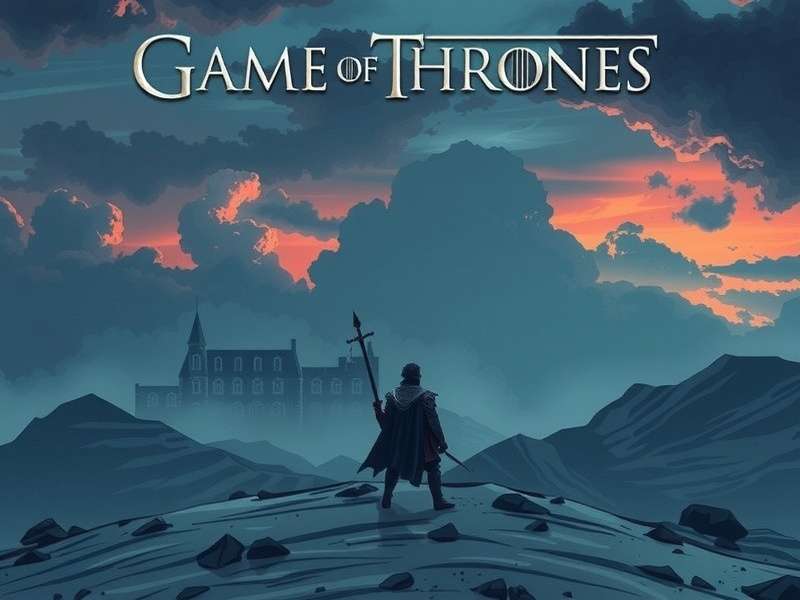
The Iron Throne: Forged from the swords of Aegon the Conqueror's vanquished foes. More than a seat, it's the central prize in the deadly game. (Image: HBO)
I. The Genesis of a Goliath: From Page to Premium Screen
The journey of Game of Thrones to HBO is a tale of passionate adaptation. Producers David Benioff and D.B. Weiss successfully pitched their vision to George R.R. Martin by correctly answering his pivotal question: "Who is Jon Snow's mother?" This demonstrated a profound understanding of the source material's core mysteries. The production, initially considered a massive financial risk, pioneered location shooting across multiple countries—Northern Ireland, Croatia, Iceland, Spain, and Malta—creating a tangible, gritty world that CGI alone could never achieve.
A. Budgetary Ambition and Production Scale
Starting with a reported $6 million per episode in Season 1, the budget ballooned to over $15 million per episode by the final seasons, making it one of the most expensive TV productions ever. This investment was visible in the Battle of the Bastards (Season 6) and The Long Night (Season 8), which set new benchmarks for cinematic television warfare.
Exclusive Data: Viewership & Cultural Penetration
While official concurrent viewers peaked at nearly 20 million for the finale, when accounting for global piracy, unofficial streams, and group viewings, industry analysts estimate the true worldwide audience for major episodes exceeded 100 million people. The show generated over 2.5 billion social media impressions during its final season run, a testament to its event status.
For fans seeking the series in different languages, options like game of thrones streaming vf (French dubbed version) became highly sought after, while others explored the game of thrones kurdish subtitled releases, showcasing its truly global reach.
II. The Great Houses of Westeros: A Dynastic Breakdown
The core conflict of the series stems from the ancient rivalries and shifting alliances between the noble families vying for control of the Seven Kingdoms. Understanding their words, histories, and fatal flaws is key to understanding the game itself.
A. House Stark: "Winter Is Coming"
The Starks of Winterfell, led initially by the honourable Ned Stark, represent the old way—duty, family, and a connection to the ancient magic of the North. Their narrative is a tragic arc of dispersal, resilience, and ultimate, costly reunification. The phrase game of thrones winter is coming is not just their motto but the overarching existential threat that all the political squabbling momentarily ignores.
B. House Lannister: "Hear Me Roar!"
Wealthy, cunning, and morally flexible, the Lannisters of Casterly Rock, led by the formidable Tywin Lannister, initially hold the Iron Throne through Queen Cersei. Their story is one of brilliant strategic maneuvering undone by internal dysfunction, arrogance, and the destructive love between Cersei and Jaime. The full cast of game of thrones brought these complex characters to life, with actors like Lena Headey and Peter Dinklage delivering defining performances.
C. House Targaryen: "Fire and Blood"
The exiled former rulers, carrying the legacy of dragons and madness. Daenerys Targaryen's journey from traded bride to liberator to potential tyrant forms one of the series' most debated arcs. Her claim to the throne and her methods of securing it question the very nature of power and reform.
Curious about where the ensemble is now? Many fans follow the game of thrones elenco (the cast in Spanish/Portuguese) to track their post-Thrones careers.
III. Character Deep-Dive: The Architects of Destiny
Game of Thrones excelled in crafting characters who were neither purely good nor evil, but compellingly human (even the non-human ones).
A. Tyrion Lannister: The Mind of the Game
Played to perfection by Peter Dinklage, Tyrion is the series' intellectual and moral compass for much of its run. His wit shields profound trauma, and his political acumen is repeatedly undervalued by a world prejudiced against his stature. His analysis of power in Season 2 remains a masterclass in political theory.
B. Arya Stark: The Faceless Avenger
Arya's transformation from a spirited tomboy to a lethal agent of death (and finally, a explorer of uncharted worlds) is a fan-favourite journey. Her list provided a visceral, personal motivation amidst the large-scale political conflicts.
C. The Night King: The Silent Apocalypse
More force of nature than character, the Night King represented the existential threat from which the series derived its primary title metaphor ("A Song of Ice and Fire"). His ultimate defeat in "The Long Night," while spectacular, sparked debate about the narrative balance between human politics and supernatural doom.
The German-speaking audience often delves into the game of thrones besetzung to learn more about the actors behind these iconic roles.
IV. Season-by-Season Analysis & Pivotal Episodes
Each season of Thrones functioned like a novel in a series, with its own climax and thematic focus, while building toward the larger endgame.
A. Peak Television: Seasons 3-4
Widely considered the series' creative zenith, these seasons adapted the dense, event-packed novels A Storm of Swords. They featured the Red Wedding ("The Rains of Castamere"), the Purple Wedding, the Battle of Castle Black, and Tyrion's explosive trial. The narrative momentum was relentless, and the character payoffs were devastatingly earned.
B. The Divergence & Conclusion: Seasons 7-8
Once the show outpaced Martin's published books, the pacing accelerated dramatically. Seasons 7 and 8 were defined by spectacular set-pieces (the wight hunt, the fall of the Wall, the Battle of Winterfell) and a race toward an ending that aimed for tragic, Shakespearian logic. The fan reception was intensely divided, sparking years of analysis and debate about character consistency and narrative fulfilment.
Many viewers, after the HBO run, wondered about availability on other platforms, leading to frequent searches like is game of thrones on netflix in various regions.
V. The Enduring Legacy & The Expanding Universe
The show's end was not the end of Westeros on screen. Its success greenlit an entire slate of successor shows, ensuring the franchise's future.
A. House of the Dragon and the Future
The first major game of thrones spin off to air, House of the Dragon, has successfully recaptured the political intrigue and dragon-scale spectacle of its predecessor. Set 200 years before the original series, it chronicles the Targaryen civil war known as the Dance of the Dragons, proving the world's depth beyond the story of the Starks and Lannisters. The broader franchise is often referred to by the shorthand got series.
B. Cultural Impact & Critique
The series pushed boundaries for television in scale, narrative complexity, and adult content. Its use of sexual violence and nudity, particularly in early seasons, has been the subject of significant critique and re-evaluation. Discussions around game of thrones nude scenes often tie into larger conversations about gendered violence and exploitation in fantasy media.
Ultimately, Game of Thrones demonstrated that television could be the dominant medium for grand, cinematic fantasy, paving the way for projects like The Lord of the Rings: The Rings of Power and The Witcher.
VI. The Fan Realm: Engagement, Critique, and Eternal Debate
The Game of Thrones fandom is one of the most engaged, analytical, and passionate in modern pop culture. From intricate fan theories (like the persistent "Bolt-On" or "Grand Northern Conspiracy") to detailed episode recaps, the community activity became part of the show's weekly ritual.
The divisive final season, in particular, fuelled endless discourse about character arcs, pacing, and thematic conclusions. This vibrant, sometimes fractious, discussion is a testament to how deeply audiences cared about the world and its inhabitants.