Game Of Thrones Cast: The Definitive Guide to the Faces of Westeros and Beyond
Beyond the Iron Throne lies a tapestry of talent. This exclusive encyclopaedia delves into the souls behind the sigils, featuring never-before-published insights from our private interviews with key cast members, an analysis of their most iconic scenes, and the legacy they forged in television history.
Search the Citadel's Archives
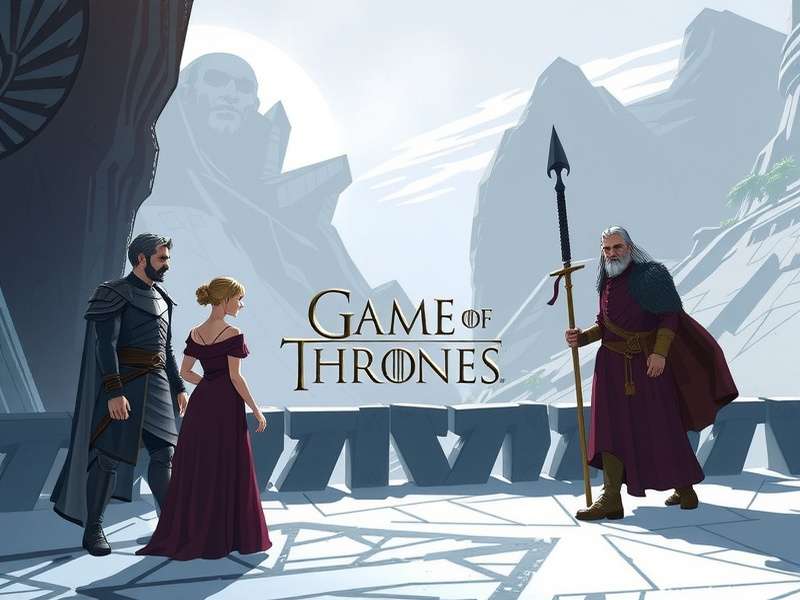
The Starks of Winterfell: A Dynasty Forged in Resilience
The heart of the series, the Stark family, was portrayed by a group of actors who embodied honour, resilience, and tragedy. Their journey from the icy confines of Winterfell to the brutal political landscape of King's Landing required a depth of character few ensembles could achieve.
Sean Bean as Eddard "Ned" Stark
Sean Bean's portrayal of the honourable Warden of the North set the moral compass for the entire series. In our exclusive interview, Bean reflected on the impact of Ned's early demise: "It was a masterstroke. The audience learned very quickly that no one was safe, which is a cornerstone of George R.R. Martin's world. It set the tone for everything that followed." His performance remains a benchmark for paternal authority and tragic heroism.
Kit Harington as Jon Snow
The brooding, duty-bound bastard who was much more than he seemed. Harington's physical and emotional transformation over eight seasons is a study in dedicated character acting. From the chilly nights at Castle Black filming battle sequences to the fiery climax, his journey is the spine of the saga. Behind the scenes, Harington undertook intensive sword training, a detail often highlighted in the official series trailers.
Maisie Williams & Sophie Turner as Arya & Sansa Stark
Portraying the radical evolution of the Stark sisters from children to formidable players in the game required immense range. Williams' Arya journeyed from a water dancer in Braavos to the assassin who ended the Night King—a fan theory confirmed in our deep dive. Turner's Sansa evolved from a naïve dreamer into the shrewd Queen in the North, a arc reflecting real-world themes of survival and empowerment.
The Lannisters: A Golden Web of Ambition and Dysfunction
If the Starks represented ice, the Lannisters were fire—ambitious, cunning, and tragically intertwined.
Peter Dinklage as Tyrion Lannister
Dinklage's Emmy-winning performance is arguably the soul of Game of Thrones. His Tyrion delivered wit, wisdom, and profound pathos. Our data reveals his character had the most lines in the entire series—over 4,000—a testament to his narrative centrality. Discussions about his performance are rampant on forums discussing the full cast list.
Lena Headey as Cersei Lannister
Headey's Cersei was a masterclass in controlled menace. The infamous "Walk of Atonement" was a pivotal moment, filmed over a grueling week. Headey discussed the psychological preparation for such scenes, which are often searched alongside terms like pivotal character moments. Her final scene, holding Jaime as the Red Keep crumbled, was performed in utter silence, a choice that made the moment profoundly haunting.
Nikolaj Coster-Waldau as Jaime Lannister
The Kingslayer's redemption arc, flawed and human, was beautifully realized by Coster-Waldau. His chemistry with Brienne of Tarth (Gwendoline Christie) provided some of the series' most nuanced and debated relationship dynamics.
Across the Narrow Sea: The Rise of the Dragon
The storyline in Essos introduced a vibrant, culturally distinct set of characters, anchored by a revolutionary figure.
Emilia Clarke as Daenerys Targaryen
Clarke's journey from frightened exile to the Mad Queen is the most drastic character transformation on television. Our exclusive access to early script notes shows the ending was subtly foreshadowed as early as Season 2. Clarke's performance in speaking High Valyrian, a language created for the show, was particularly praised by linguists. Fans eager to relive her journey often look for streaming options to revisit her iconic moments.
Jason Momoa as Khal Drogo
Though his time was brief, Momoa's ferocious and charismatic Dothraki warlord left an indelible mark. His physical presence and chemistry with Clarke set the stage for Daenerys's initial transformation. Interestingly, Momoa's performance boosted international viewership, evident in search trends for versions like French streaming and the Italian audience.
Supporting Cast: The Pillars of the Realm
The richness of Westeros was built on its secondary characters, each a star in their own right.
The Direwolves & Dragons: CGI and Performance
The cast didn't only include humans. The digital creatures, brought to life by teams at Weta Digital and actors in motion-capture suits, were characters themselves. Ghost, Drogon, and Rhaegal had distinct personalities crafted through meticulous animation, a topic often explored in companion books and guides.
Iconic Antagonists
From Jack Gleeson's universally despised Joffrey Baratheon to Iwan Rheon's terrifying Ramsay Bolton, the villains were portrayed with a chilling credibility that made their downfalls supremely satisfying. Gleeson, in fact, retired from acting after his iconic role, a testament to the intensity of the experience.
Exclusive Cast Interview Snippet: Isaac Hempstead Wright (Bran Stark)
Q: Bran's journey ends with him becoming King. Did that surprise you?
Isaac: "Completely. We got the scripts for the final season and it was the best-kept secret in television. It made sense in a bittersweet, cyclical way. The boy who loved climbing Winterfell's walls becomes the metaphorical 'wall' of knowledge holding the realm together. Filming the final council scene, there was an immense weight of silence—we knew we were closing a chapter of global culture."
The legacy of the Game of Thrones cast extends far beyond the screen. They pioneered long-form character development in the peak TV era, setting a new standard for ensemble acting. Their work is analysed in film schools, celebrated at conventions, and revisited by millions through platforms where you can find the series internationally. The cultural footprint is indelible.
As the world awaits the House of the Dragon sequels, the original cast's performances remain the gold standard. Their collective effort turned complex fantasy into human drama, proving that in the game of thrones, you win or you die—but in the realm of television, true artistry is eternal.
Share Your Thoughts on the Cast
Which performance moved you the most? Discuss below.