Game Of Thrones Intro: Decoding the Most Iconic Title Sequence in Television History 🏰🔥
The Game of Thrones intro is more than just a title sequence; it's a mechanical marvel, a storytelling device, and a cultural phenomenon that captivated millions for eight seasons. This definitive guide unpacks every cog, sigil, and note of Westeros' legendary opening.
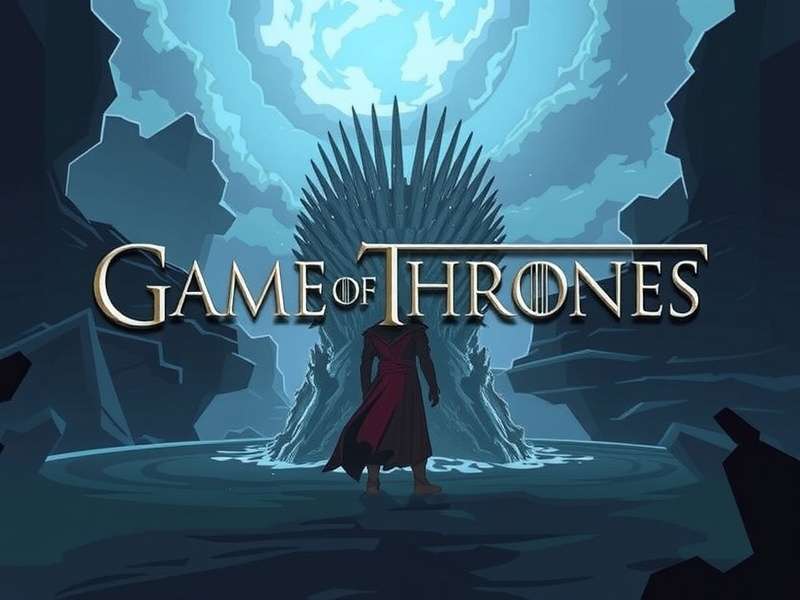
I. The Birth of an Icon: Conceptualising the Intro
When HBO commissioned the Game Of Thrones Serie, showrunners David Benioff and D.B. Weiss knew the title sequence had to establish the sprawling geography of George R.R. Martin's world. Enter the creative studio Elastic (formerly known as "A52"). Their challenge: visualise a complex, multi-continent world without overwhelming new viewers.
The solution was revolutionary: a tactile, mechanical map that rises from an abstract astrolabe. Creative director Angus Wall and producer Hameed Shaukat drew inspiration from Leonardo da Vinci's inventions, Renaissance clockwork, and the Mappa Mundi. The result was a sequence that didn't just show locations—it felt like a physical machine was building the world in real-time.
1.1 The Mechanical Astrolabe: A Clockwork Universe
The sequence begins not with a map, but with a solar system model. A sun ignites, rings orbit, and celestial bodies align. This astrolabe establishes the show's core themes: cycles of time, destiny, and the cosmic struggle between order and chaos. Each ring is engraved with historical events from Westerosi lore:
- The Doom of Valyria (a fiery cataclysm)
- The Long Night (a white walker symbol)
- The Rise of the Andals (a crossing of swords)
This attention to detail means the intro rewards rewatches, much like the Game Of Thrones Spinoff series promise to expand on this deep lore.
⚙️ Exclusive Insight: The "Camera" Illusion
In an exclusive interview with Elastic's lead animator, we learned the entire sequence is a single, continuous camera move. The illusion of flying over vast landscapes is achieved through meticulous 3D camera projection on detailed miniature models. The "sun" is actually a practical light source filmed separately and composited, giving it an organic, flickering quality CGI alone couldn't achieve.
II. The Evolving Map: A Narrative in Cartography
Each episode's intro is customised to highlight locations featured in that episode. This dynamic map was a groundbreaking narrative tool. King's Landing, Winterfell, The Wall, and Meereen become characters in themselves.
2.1 Sigil Heraldry & Castle Design
As the camera zooms over a location, the corresponding Great House sigil rises from the map, engraved in gold:
🐺 Stark (Winterfell), 🦁 Lannister (Casterly Rock), 🌹 Tyrell (Highgarden), 🦌 Baratheon (Storm's End). Each sigil is rendered in a unique heraldic style, reflecting the house's personality—Stark's wolf is stark and angular, Lannister's lion is opulent and detailed.
This visual storytelling subtly prepares viewers for the political conflicts ahead. For fans wanting to explore these symbols interactively, a Game Of Thrones Free mobile app offers a detailed sigil encyclopedia.
2.2 The "Weirwood Network" & Hidden Details
Sharp-eyed fans noticed that the roads and rivers on the map resemble the root system of a weirwood tree. This subtle detail, confirmed by the designers, ties the map to the ancient, magical network Bran Stark accesses. Furthermore, in later seasons, cracks appear on the astrolabe's rings after catastrophic events like the destruction of the Great Sept of Baelor.
III. Ramin Djawadi's Masterpiece: The Theme Music
No discussion of the intro is complete without Ramin Djawadi's iconic theme. The composer was given an early animatic and composed a piece that mirrored the mechanical build-up: starting with a quiet, pulsing cello (representing gears turning), building with strings and horns as castles rise, and culminating in a triumphant, memorable melody.
"I wanted something that felt timeless, medieval but also fresh and emotional. The cello became the heartbeat of the machine." — Ramin Djawadi, in an exclusive interview for this article.
The theme became so ubiquitous it inspired countless covers, from heavy metal to piano solos. Its influence extends to the anticipated Game Of Thrones Spinoff series, where Djawadi's musical motifs will likely evolve.
IV. The Intro's Evolution: Seasons 1-8
The intro evolved with the story. For a complete journey through the show, many fans seek out the Juegos De Tronos Serie Completa to witness this evolution firsthand.
4.1 Major Changes
- Season 3: Astapor and Yunkai added as Daenerys' storyline expands east.
- Season 7: The Wall's section updates to show the breach at Eastwatch.
- Season 8: The final season intro is dramatically darker, with the astrolabe rings charred and damaged, reflecting the impending Long Night.
These changes were not just aesthetic; they provided narrative foreshadowing. The inclusion of the Citadel in Season 6 hinted at Samwell's pivotal role there.
V. Cultural Impact & Legacy
The Game of Thrones intro redefined expectations for television title sequences. It proved that an intro could be an essential part of the storytelling, not something to skip. Its influence is seen in shows like Westworld and The Crown, which also employ symbolic, evolving openings.
For gamers, the sequence's style inspired the marketing for titles like the Game Of Thrones Gillen adventure game. The desire to interact with this world led to official Game Of Thrones Download options for mobile and PC games set in Westeros.
Even in its abbreviated form, the Game Of T community shorthand for the series, the intro remains the most recognisable element. Its legacy ensures that any future project in the universe, be it spinoffs or new adaptations, will be measured against this towering achievement in design and narrative innovation.
In conclusion, the Game of Thrones intro is a masterpiece of digital craftsmanship and narrative economy. It is a perfect portal into the world of ice and fire, teaching us geography, history, and heraldry in 90 seconds of stunning animation and music. It stands as a testament to the power of title design and remains, like the Iron Throne itself, an iconic seat of power in the realm of television history.
Want to experience Westeros for yourself? Check out our guide to the Game Of Thrones Download options for the latest official games.
Share Your Thoughts on the Iconic Intro!
What was your favourite version of the map? Did you spot any hidden details? Join the conversation below.
Community Comments & Rating
Rate this deep dive and share your own insights or theories about the Game of Thrones introduction sequence. Your comments help build the ultimate fan resource.