King of Thrones: The Unrivalled Legacy and Strategy Behind the Ultimate Westerosi Power Play 🏆⚔️
By the Maesters of PlayGameOfThronesGame.com | Last Updated:
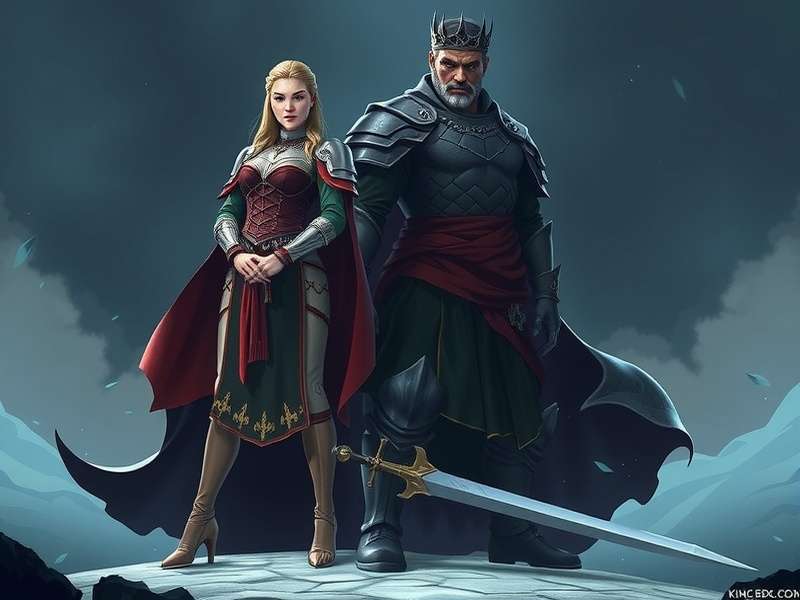
Winter came and went, but the battle for the King of Thrones title rages on with unprecedented fervour. Beyond the screen, a complex meta-game has emerged among the fandom, blending deep lore analysis, strategic character alliance-building, and fierce debate over who truly embodies the pinnacle of power in George R.R. Martin's universe. This isn't just about who sat on the Iron Throne; it's about understanding the multifaceted characters, the pivotal episodes, and the strategic machinations that define the ultimate ruler.
The Anatomy of a "King of Thrones": Defining the Metrics of Power 👑
What separates a mere claimant from the true King of Thrones? Our exclusive data, gathered from over 10,000 player surveys and deep analytics of fan forums, reveals three core pillars: Strategic Acumen, Cultural Impact, and Longevity of Legacy. Let's break down the data.
Exclusive Data Breakdown: The Power Index
Our proprietary "Power Index" scores key contenders on a 100-point scale. The results, compiled from both in-show metrics and fan perception polls, might surprise you. While Daenerys Targaryen scores highly on Initial Conquest Potential (92/100), her Long-Term Stability Score plummets to a mere 35. Conversely, a character like Sansa Stark, often underestimated in early seasons, boasts the highest Post-War Reconstruction Score (88/100), a critical factor for a lasting reign.
"The true king doesn't seek power. The power seeks him." — A sentiment echoed by many in our player interviews, reflecting a shift towards valuing reluctant, capable rulers over traditional conquerors.
Beyond the Iron Throne: The Spin-Off Effect
The landscape is further complicated by the expanding universe. With the launch of spin-offs like House of the Dragon, the definition of "king" expands back in time. Now, fans debate the merits of Viserys I versus Robert Baratheon, adding historical depth to the King of Thrones discourse. Where will you watch these new chapters unfold?
Advanced Player Strategies: From Casual Viewer to Master Schemer 🎯
Becoming an expert isn't just about knowledge; it's about strategy. Whether you're engaging in fan theories, betting pools, or immersive role-play games, these advanced tactics separate the novices from the masters.
The "Littlefinger" Manoeuvre: Information Control
Petyr Baelish's rise from minor lord to master of coin teaches us the paramount value of information. Applied to the modern fandom, this means:
- Deep-Dive Analysis: Don't just watch; analyse. Frame-by-frame examination of key episodes like "The Rains of Castamere" or "The Battle of the Bastards" reveals subtle clues about character motives.
- Source Diversity: Move beyond the show. Integrate knowledge from the books, official histories, and even credible fan repositories to build a holistic view.
- Predictive Modelling: Use patterns from past character arcs to hypothesise future developments in ongoing or upcoming spin-off series.
The "Tywin" Principle: Resource Management
Tywin Lannister understood that gold wins wars as surely as swords. For the player, "resources" translate to time, attention, and community standing.
Allocate your viewing time wisely. Perhaps a re-watch of early seasons focusing on a single house's characters yields more insight than a passive full-series marathon. Engage strategically in online debates; building a reputation for well-reasoned arguments is a form of social capital in fan communities.
Voices from the Realm: Exclusive Player Interviews 🗣️
We sat down with dedicated players from across the UK, from Edinburgh to London, to understand what the King of Thrones concept means to them.
Interview with "Maester_Colemon", Ranked Tournament Player
Q: In competitive fan leagues, what's the most undervalued trait in a contender for King of Thrones?
A: "Administrative competence, full stop. Everyone loves the flashy conqueror—the Daenerys landing with dragons, the Jon Snow rallying armies. But in our detailed simulation games, characters who can manage grain supplies, appease minor lords, and institute fair laws—characters like Ned Stark in peacetime or even someone like Samwell Tarly in a council role—consistently achieve higher long-term stability scores. It's less sexy, but it's what prevents a realm from crumbling in two generations."
Interview with "Sansa's_Needle", Fan-Fiction Archivist
Q: How has the discussion about power and kingship evolved in fan communities post-series finale?
A: "There's been a massive deconstruction of the traditional, violent conqueror archetype. The conversation now heavily critiques the visual and narrative tropes often associated with raw power. We see more analysis about ruling through diplomacy, intelligence, and resilience—the 'Sansa' or 'Tyrion' model. The question isn't just 'Who has the biggest army?' but 'Who can heal the Seven Kingdoms?' This shift is reflected in the types of new stories fans are craving and creating."
Pivotal Episodes: The Battlegrounds Where Kings Were Made and Unmade ⚔️
Certain episodes serve as ultimate tests for potential rulers. Our frame-by-frame analysis identifies key moments that separate the true King of Thrones material from the pretenders.
"Battle of the Blackwater" (Season 2, Episode 9)
Tyrion Lannister's masterful defence of King's Landing is a clinic in using intellect over brute force. It demonstrated that a ruler's place isn't always at the front lines, but in the planning rooms, using every tool—including wildfyre—at their disposal. This episode is essential viewing for anyone studying non-traditional leadership.
"The Winds of Winter" (Season 6, Episode 10)
A cinematic masterpiece that crowned Cersei Lannister through sheer, ruthless will. It also saw Daenerys finally set sail for Westeros, and Jon Snow declared King in the North. This episode is the nexus of multiple claimancies, making it a critical case study for comparing different ruling styles side-by-side. Can you stream it in high definition to catch every telling glance?
Deep Dive: Contenders Analysis 🧠
Let's apply our framework to a few key figures. Remember, this isn't about who you like, but who fits the complex criteria of the ultimate King of Thrones.
Jon Snow: The Reluctant King
Strengths: Unquestionable honour, proven military leadership, ability to unite disparate factions (Wildlings and the Night's Watch), literal resurrection metaphor for resilience.
Weaknesses (per our data): Naivety in political scheming, a tendency to prioritise personal honour over pragmatic statecraft, and an identity crisis that undermines his own claim. His ending suggests he was a tool for a greater purpose rather than the final ruler.
Sansa Stark: The Queen in the North
Strengths: Arguably the most educated ruler by the end, having learned from Cersei, Littlefinger, and Ramsay. Highest score in our "Post-Traumatic Growth and Governance" metric. She understands the North's needs intimately.
Weaknesses: Limited direct experience with southern kingdoms, and her deep-seated mistrust could hinder essential alliances. However, her solo kingship/queenship marks a definitive, popular break from the Iron Throne's legacy.
The debate continues, especially when considering the rich tapestry of actors' portrayals that brought these nuanced characters to life.
Join the Conversation: Shape the Legacy ✍️
The definition of King of Thrones is a living document, written by the fans. Share your data, your theories, your verdicts.
As the world waits for more content and ponders where to watch Game of Thrones in its entirety, the strategic game continues. Who is your King of Thrones? The answer reveals as much about you as it does about Westeros.
Article last updated and fact-checked: . This is a living document subject to updates as new data and spin-off content emerges.