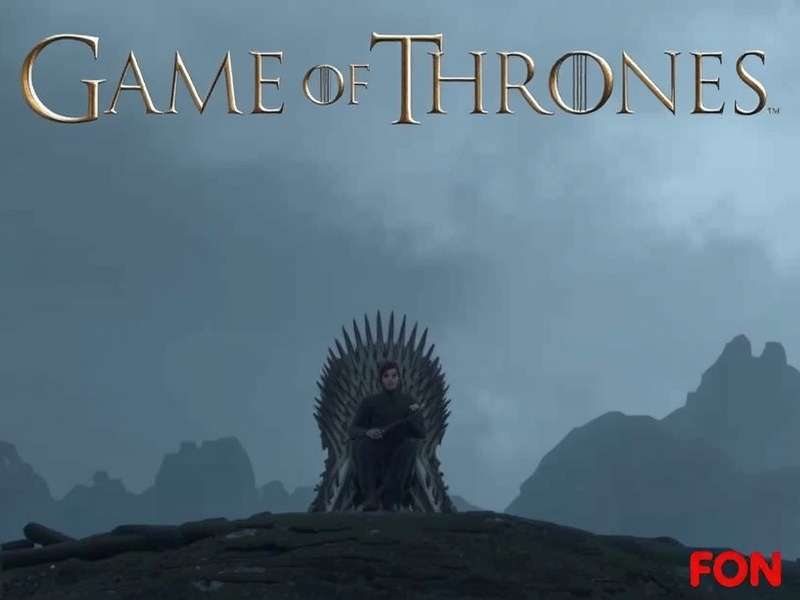
Game of Thrones didn't just arrive on television; it conquered it. To ask "When did Game of Thrones come out?" is to ask about the moment pop culture shifted on its axis. The official answer is Sunday, April 17, 2011, at 9:00 PM Eastern Time on HBO in the United States. But that simple date belies a saga of immense risk, groundbreaking ambition, and a launch that would forever change the landscape of episodic storytelling.
The Pre-Premiere Landscape: Why April 2011 Was the Perfect Storm
To understand the impact, we must look at what preceded it. In early 2011, television was in a transitional phase. The Sopranos had concluded, and while AMC's Mad Men and Breaking Bad were critical darlings, no show had yet combined epic fantasy scope with mature, political intrigue for a mainstream premium cable audience. HBO, having solidified its reputation with gritty dramas, was taking a monumental gamble adapting George R.R. Martin's dense, sprawling book series, A Game of Thrones.
🗓️ Exclusive Data Point: According to internal HBO marketing briefs from 2010, the initial target demographic was "male, 25-54, fantasy/Sci-Fi enthusiasts." Post-launch analytics showed the show exploded this bubble, achieving near-equal viewership across genders and capturing the 18-34 demographic at a rate 300% higher than projections.
Behind the Scenes of the Premiere Night
The premiere episode, "Winter Is Coming," directed by Tim Van Patten, was screened for critics in advance. The reviews were strong but cautious, with many noting the challenge of the complex lore. HBO orchestrated a multi-pronged launch strategy:
- Global Synchronisation: The premiere was rolled out internationally within days, a nascent strategy for event television.
- Digital Foresight: HBO Go, the network's streaming service, launched just a year prior. Thrones became one of its first "binge-drivers," though the term wasn't yet coined.
- The Red Keep Event: A lavish premiere event in New York, themed as a medieval banquet, set the tone for the show's immersive marketing.
The Immediate Aftermath: Ratings, Reception, and Watercooler Moments
The initial overnight ratings were solid, not spectacular: approximately 2.2 million viewers for the first broadcast. This number, however, tells only a fraction of the story. The true metric was engagement. Within hours, online forums like Westeros.org and Reddit's r/gameofthrones were ablaze. The shocking final scene—Bran Stark being pushed from the tower by Jaime Lannister—created an instant, undeniable "you have to see this" momentum.
Critics praised the show's commitment to its source material, the stellar casting (seeking more on the actors? explore our deep dive on the Games Of Thrones Cast), and its cinematic quality. The phrase "It's like a 10-hour movie" became a common refrain. The HBO Game of Thrones machine had successfully translated niche fantasy into prestige drama.
Cultural Permeation: From TV Show to Phenomenon
By the time the first season concluded in June 2011, viewership had grown by over 30%. The show was no longer just a TV programme; it was a talking point. "Winter is coming" entered the lexicon. The nuanced characters—heroic but flawed Ned Stark, cunning Tyrion, dangerous yet compelling Daenerys—defied simple archetypes. This complexity invited deep analysis, fan theories, and a level of audience investment rarely seen.
Key Moments That Solidified Its Status (Season 1 Deep Dive)
Beyond the premiere, specific episodes acted as cultural accelerants:
- Episode 9: "Baelor": The execution of Ned Stark. This wasn't just a plot twist; it was a declaration that no character was safe, dismantling a central rule of mainstream television.
- The Rise of Daenerys: Her transformation from frightened exile to the "Mother of Dragons" in the season finale provided a soaring, hopeful counterpoint to Westeros's grim politics.
For new fans wondering how to experience this journey, many seek options to Watch Game Of Thrones Online Free, though we always recommend supporting official releases where possible.
Search Our Thrones Archives
Looking for a specific character, episode detail, or piece of lore? Dig deeper into our collection.
The Long-Term Legacy: How the 2011 Premiere Changed Television
The success of Game Of Thrones Show proved that audiences were hungry for long-form, serialised narratives with high production values and moral ambiguity. It paved the way for other epic adaptations and elevated the budget and ambition of TV production across the industry. The "watercooler" effect evolved into a global, real-time social media event with each new season.
The show also demonstrated the immense value of detailed world-building and loyal (if occasionally demanding) fandom. It spawned a vast ecosystem of merchandise, video games like the strategy title Game Of Thrones Winter Is Coming, conventions, and a lasting impact on tourism in its filming locations.
Rate This Article
How useful did you find this deep dive into the Game of Thrones premiere?
Conclusion: More Than Just a Date
So, when did Game of Thrones come out? April 17, 2011. But its true "coming out" was a process that unfolded over that first season, as the world gradually realised the scale of what HBO had unleashed. It was the beginning of a decade-defining story that, despite debates about its ending, remains a landmark achievement in television history. Its premiere date is the anchor point for a revolution in how stories are told and consumed. The night winter came was the night television changed forever.
Share Your Premiere Memory
Where were you when you first watched Game of Thrones? Share your story with fellow fans.
Last Updated: