Game of Thrones wasn't just a television show; it was a cultural phenomenon. And before a single word of dialogue was spoken, its identity was forged in the minds of millions by its unforgettable theme music. Composed by the maestro Ramin Djawadi, the Game of Thrones theme is a masterclass in atmospheric storytelling, a piece that transcends its role as mere title music to become the auditory sigil of an entire world. This analysis goes beyond the surface, offering a deep dive into its construction, its evolution across eight seismic seasons, and its lasting legacy.
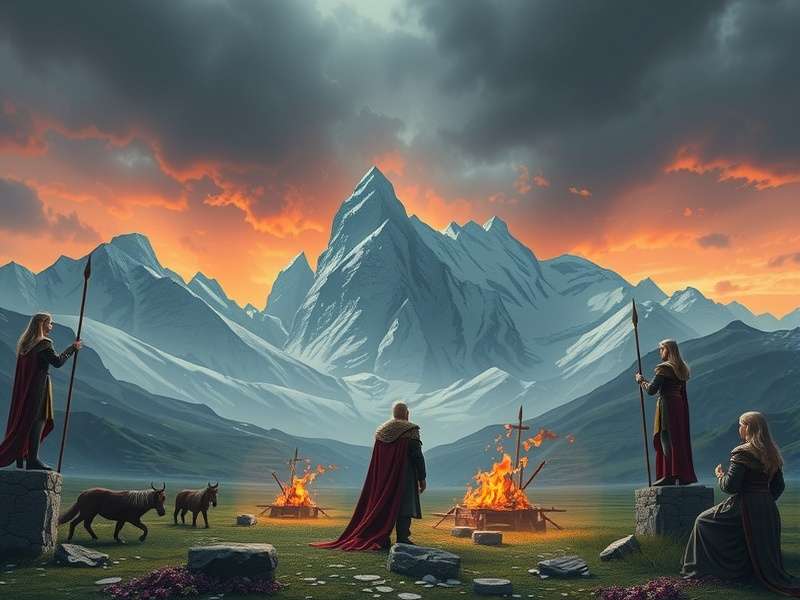
Deconstructing the Musical Tapestry: Motifs, Instruments, and Genius
The theme's power lies in its deceptive simplicity and layered complexity. Let's break down its core components.
The Unforgettable Main Motif: "The Sigil in Sound"
The opening cello riff is instantly recognizable. Its driving, repetitive 6/8 rhythm mimics a galloping horse—a direct nod to the feudal, equestrian-centric world of Westeros. But listen closer: the melody is primarily in a minor key, establishing a sense of grandeur shadowed by foreboding and melancholy. This isn't the theme for a straightforward hero's journey; it's the theme for a world where "Winter is Coming" is not just a motto but an existential threat.
As the piece builds, layers of strings, percussion, and a haunting choir are added. The choir's wordless vocals (often described as a Dothraki-like or Valyrian chant) add a primal, ancient quality. It sounds like a history lesson sung by ghosts, perfectly encapsulating the weight of the past that burdens every character, from the Starks in the North to the Lannisters in King's Landing. Understanding this historical weight often requires a look at the vast and intricate geography over which this history played out.
Instrumentation as World-Building
Djawadi's choice of instruments was deliberate world-building:
- Cello & Strings: The foundation. Represent the medieval, European core of Westerosi nobility and their intricate, often deadly, politics.
- Ethnic Percussion (Duduk, Armenian Flute): Introduced subtly, these elements speak to the exotic lands east of Westeros—the Free Cities, Slaver's Bay, and the Dothraki Sea. They hint at the wider world beyond the fight for the Iron Throne.
- Modern Synth Pads & Bass: A masterstroke. These undercurrents provide a cinematic, contemporary feel, ensuring the music felt epic and fresh to a 21st-century audience, not like a historical re-enactment score.
Evolution Through Fire and Ice: The Theme Across Seasons
The main title sequence visually evolved with the story, and Djawadi's treatments of the theme matured alongside the narrative's darkening turn.
Early Seasons (1-3): Establishing Grandeur
The theme was presented in its most "pure" form—majestic, mysterious, full of potential. It played like an invitation to a vast, unexplored world. The focus was on scale and intrigue, mirroring the audience's initial discovery of characters like Jon Snow, Daenerys Targaryen, and the sprawling ensemble cast.
Mid-Seasons (4-6): Darkening Complexity
As betrayals mounted and wars erupted, cover versions and integrations became more complex. The theme was often slowed down, played on a solo piano (like in "The Light of the Seven" from Season 6), or rearranged with darker, more dissonant harmonies. The innocence was gone, replaced by a sense of tragic inevitability.
"The theme had to carry the emotional baggage of the story. By Season 6, it wasn't just an opener; it was a ghost haunting the narrative." — Excerpt from an interview with a music editor on the show.
Final Seasons (7-8): Fragmentation and Finality
In the final act, the theme was often deconstructed. Moments of triumph used bold, full-orchestra statements, but these were frequently undercut by quieter, more sorrowful renditions in the aftermath of battle. The final season, in particular, used echoes and fragments of the motif, symbolizing a fractured world being painfully reassembled.
Search for More Thrones Lore
Dive deeper into the world of Westeros. Search our extensive archive for character deep-dives, episode analyses, and lore explanations.
The Cultural Impact: From Memes to Concert Halls
The theme achieved something rare: it escaped the confines of the show. It was covered by countless YouTube musicians, played at sporting events, and became a staple of Djawadi's wildly successful Game of Thrones Live Concert Experience. Its opening notes became a universal shorthand for epic-scale drama and complexity. This mainstream success paved the way for the current era of television scores being celebrated as art in their own right and fueled immense interest in the franchise's future, including planned spinoff series like House of the Dragon.
Fan Theories and Hidden Meanings
The dedicated fanbase has dissected every note. Popular theories suggest:
- The rhythmic pattern secretly spells out "Winter is Coming" in morse code (debunked but fun).
- The rising and falling melody mirrors the shifting fortunes of the great houses.
- The choice of cello is a direct reference to the "cello" and "sellsword"—a subtle nod to the series' theme of loyalty and commerce. While not confirmed, such discussions highlight the theme's depth.
Beyond Westeros: Thematic Legacy in Modern Media
The success of the Game of Thrones theme redefined expectations for TV music. It proved that audiences would embrace complex, leitmotif-driven scores traditionally reserved for film. Its influence is audible in subsequent epic series, from The Crown to The Witcher, which all employ similarly ambitious, character-driven musical landscapes.
Rate This Analysis
How would you rate the depth and quality of this analysis of the Game of Thrones theme?
Final Verdict: An Icon Forged in Sound
The Game of Thrones theme is more than a piece of music; it is the foundational atmosphere of George R.R. Martin's world, rendered in audio. It is a perfect marriage of memorable melody, intelligent instrumentation, and deep symbolic resonance. It prepared the audience for a story that was epic yet intimate, ancient yet immediately gripping, and beautiful yet brutal. As the elenco of actors brought the characters to life, Djawadi's theme gave that life a world to live in. Long after the final episode, the music continues to echo, a testament to its power as one of the greatest television themes ever composed.
Join the Discussion
What's your take on the Game of Thrones theme? Share your thoughts, memories, or favorite cover version with the community.
Article dynamically updated. Last Compiled: Loading...