What Is Game Of Thrones About
⚔️ If you've ever wondered what is Game of Thrones about, you're not alone. This British-American fantasy epic took the world by storm, becoming one of the most talked-about television series in history. Set in the fictional continents of Westeros and Essos, the story weaves together political intrigue, ancient prophecies, dragons, and a relentless struggle for power. But beneath the swords and sorcery lies a deeply human tale about ambition, loyalty, and the cost of survival.
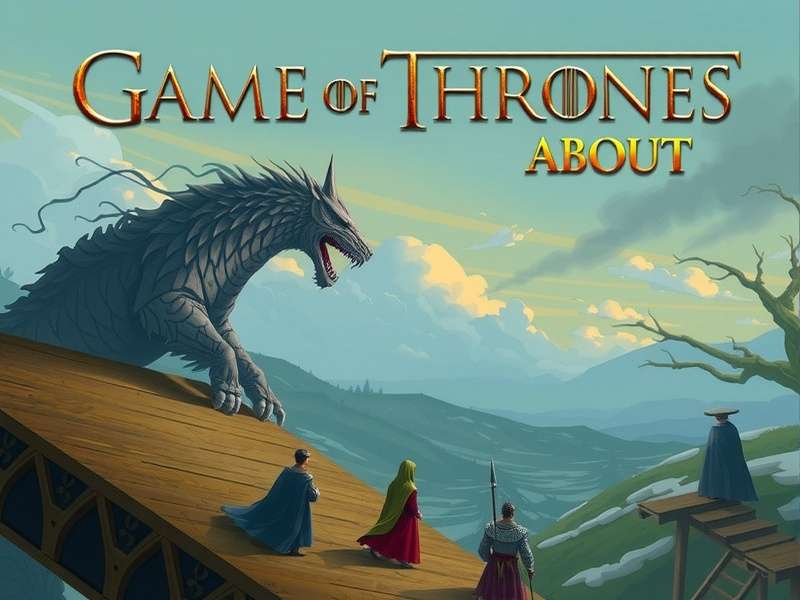
🔥 The Epic Saga That Defined a Generation
Game of Thrones is not just a TV show; it's a cultural phenomenon. Based on George R.R. Martin's A Song of Ice and Fire series, the show aired from 2011 to 2019 on HBO, accumulating a global fanbase and countless awards. But at its core, what is Game of Thrones about? It's about power — who has it, who wants it, and what they're willing to do to get it.
The series begins with the aftermath of a rebellion that unseated the Mad King, Aerys II Targaryen, and placed Robert Baratheon on the Iron Throne. But peace is fragile. The great houses of Westeros — Stark, Lannister, Baratheon, Targaryen, Greyjoy, Martell, and others — each harbour their own ambitions, grudges, and secrets. When the Hand of the King dies mysteriously, Lord Eddard Stark is drawn into the viper's nest of King's Landing, setting off a chain of events that will engulf the entire continent.
Meanwhile, across the Narrow Sea, Daenerys Targaryen — the exiled daughter of the Mad King — begins her own journey from pawn to power player, aided by her growing dragons. And far to the north, beyond the Wall, an ancient enemy stirs: the White Walkers, a threat that cares nothing for thrones or politics.
🌍 A World of Ice and Fire
The title A Song of Ice and Fire hints at the central duality of the story: the conflict between the icy White Walkers in the north and the fiery dragons of the Targaryens. But it also reflects the clash between the cold, calculating politics of the south and the raw, elemental forces of nature and magic. Game of Thrones masterfully interweaves these threads, creating a tapestry that feels both epic and intimate.
The worldbuilding is staggering. From the frozen wastes beyond the Wall to the sun-baked cities of Essos, every location feels lived-in and dangerous. The cultures, religions, and histories are richly detailed, making Westeros feel as real as any historical setting.
🏛️ The Political Landscape of Westeros
To understand what is Game of Thrones about, you must understand the feudal system of Westeros. The king sits on the Iron Throne in King's Landing, but his power is only as strong as the alliances he maintains. The great houses rule their regions as semi-independent lords, and the sworn houses owe them allegiance. This creates a complex web of loyalty, betrayal, and shifting allegiances.
The series is famous for its political realism. Characters die unexpectedly, alliances shatter, and moral ambiguity reigns. There are no clear heroes or villains — only people making choices under impossible pressure. This is what elevates Game of Thrones above typical fantasy fare.
💡 Did You Know?
The Iron Throne is forged from the swords of Aegon the Conqueror's defeated enemies. It is said to be uncomfortable by design, reminding the king that rule is not a privilege but a burden. In the books, the throne is massive and asymmetrical, with sharp edges that have cut more than one ruler.
👑 The Core Plot: Who Will Sit on the Iron Throne?
The central question of Game of Thrones is simple: who will claim the Iron Throne? But the path to an answer is anything but simple. The story follows multiple factions, each believing they have the rightful claim — or the strength to take it.
The Major Houses and Their Ambitions
Let's break down the key players in the game for the throne:
🐺 House Stark
Based in the north, the Starks are the moral heart of the story. Led by Eddard "Ned" Stark, they value honour, family, and duty. Their words — "Winter is Coming" — serve as a constant reminder of the dangers that lie ahead. The Starks become scattered and broken as the series progresses, but their resilience and sense of justice make them enduring favourites. Key members include Jon Snow, Arya Stark, Sansa Stark, and Bran Stark.
🦁 House Lannister
Rich, ruthless, and proud, the Lannisters are the primary antagonists for much of the series. Their words — "Hear Me Roar!" — reflect their dominance, but their true strength lies in their wealth and cunning. Tyrion Lannister, the witty and underestimated younger son, becomes one of the most beloved characters, while his sister Cersei and brother Jaime navigate their own complex paths. The Lannisters' hold on the Iron Throne is the central conflict of the early seasons.
🐉 House Targaryen
The exiled former rulers of Westeros, the Targaryens are defined by their connection to dragons and their motto "Fire and Blood". Daenerys Targaryen begins as a frightened girl sold to a warlord and transforms into the "Mother of Dragons," a fierce leader determined to reclaim her birthright. Her journey raises profound questions about power, liberation, and the costs of conquest. For a deeper look at her arc, visit our Game Of Thrones Daenerys page.
🦌 House Baratheon
Founded by Robert Baratheon after his rebellion, the Baratheons hold the throne at the start of the series. But Robert's death triggers the War of the Five Kings. His brothers Stannis and Renly both claim the throne, while his "sons" Joffrey, Myrcella, and Tommen are actually products of incest between Cersei and Jaime Lannister — a secret that fuels much of the early conflict.
The War of the Five Kings
This sprawling conflict is the centrepiece of the first three seasons. Five men claim the Iron Throne: Joffrey Baratheon, Stannis Baratheon, Renly Baratheon, Robb Stark (declared King in the North), and Balon Greyjoy (who seeks independence for the Iron Islands). The war is bloody, chaotic, and full of twists. It demonstrates the central thesis of Game of Thrones: in the game of thrones, you win or you die.
"When you play the game of thrones, you win or you die. There is no middle ground." — Cersei Lannister
🎭 The Main Characters and Their Journeys
Game of Thrones boasts one of the largest ensembles in television history. Every character, no matter how minor, feels fully realised. Here we focus on the figures whose arcs define the series. For the full cast, check out our Game Of Thrones Actors page.
🐉 Daenerys Targaryen — The Mother of Dragons
Daenerys's arc is one of the most transformative in modern storytelling. She begins as a timid girl, abused by her brother Viserys and sold to the Dothraki warlord Khal Drogo. But after Drogo's death, she emerges as a leader in her own right, hatching three dragons and beginning her campaign to reclaim the Iron Throne. Her story explores themes of emancipation, justice, and the corrupting nature of power. By the final season, she has become both a liberator and a conqueror, raising difficult questions about whether the ends justify the means.
❄️ Jon Snow — The Bastard of Winterfell
Jon Snow is the quintessential reluctant hero. As the illegitimate son of Ned Stark, he joins the Night's Watch, a sworn brotherhood that guards the Wall against threats from the north. His journey takes him from a naive recruit to a commander, a lover, a resurrected leader, and ultimately a king. Jon embodies the theme of duty versus desire, and his true parentage — revealed as the son of Rhaegar Targaryen and Lyanna Stark — becomes one of the series' most important secrets.
🍷 Tyrion Lannister — The Imp
Tyrion is the intellectual heart of the series. Born a dwarf in a family that despises him, he uses wit, charm, and intelligence to survive. He serves as Hand of the King under Joffrey, escapes execution, and eventually becomes Daenerys's advisor. His sharp tongue and moral complexity make him a fan favourite. Tyrion's story is a testament to the power of brains over brawn — and the loneliness of being the smartest person in the room.
🗡️ Arya Stark — The Faceless Assassin
Arya begins as a tomboyish girl who rejects the expectations of noble ladies. After witnessing her father's execution, she embarks on a brutal quest for vengeance. Training with the Faceless Men in Braavos, she learns to shed her identity and become a deadly assassin. Her list of names — those she intends to kill — becomes a symbol of her trauma and determination. Arya's arc is about reclaiming agency in a world that seeks to control her.
Other Key Players
Sansa Stark evolves from a naive girl dreaming of princes to a shrewd political operator. Cersei Lannister embodies ruthless ambition and maternal ferocity. Jaime Lannister journeys from villain to reluctant hero. Bran Stark becomes the mystical Three-Eyed Raven. And Theon Greyjoy undergoes one of the most harrowing redemption arcs in television history. Each character adds a vital thread to the tapestry.
📜 The Themes That Make Game of Thrones Unique
Game of Thrones resonates so deeply because it tackles universal themes with unflinching honesty. Let's examine the core ideas that drive the narrative.
⚡ Power and Corruption
The series asks: what does power do to people? Almost every character who gains power is changed by it. Daenerys begins as a liberator but becomes a tyrant. Cersei's love for her children curdles into paranoia and cruelty. Even the noblest characters, like Ned Stark, are crushed by the machinery of power. Game of Thrones suggests that power is not inherently evil — but the struggle for it reveals the worst in human nature.
🛡️ Honour and Sacrifice
Ned Stark's honour leads to his death. Jon Snow's sense of duty costs him everything. The series constantly asks: is honour a luxury that the powerful cannot afford? Characters like Brienne of Tarth and Ser Davos Seaworth prove that honour can survive in a cynical world, but it comes at a price. The tension between doing what is right and doing what is necessary is a recurring motif.
👨👩👧👦 Family and Loyalty
"The lone wolf dies, but the pack survives." This Stark mantra encapsulates the importance of family in Game of Thrones. The Starks' strength comes from their bond, even when separated. The Lannisters' power is built on family unity — but also undermined by their internal dysfunction. The Targaryens are haunted by their legacy. Loyalty to family can be a source of strength or a fatal vulnerability.
🌨️ The Threat Beyond the Wall
The White Walkers represent an existential threat that transcends political squabbles. They are a reminder that some dangers are bigger than any throne. The living must unite — or perish. This theme becomes especially urgent in the later seasons, as the Night King's army marches south. The message is clear: division and infighting leave us vulnerable to greater evils.
🧊 The White Walkers: A Deep Dive
The White Walkers are ancient beings created by the Children of the Forest as weapons against the First Men. They control the wights (reanimated corpses) and bring an endless winter. Their leader, the Night King, was created from a captured man. The Walkers are vulnerable to dragonglass, Valyrian steel, and fire. Their ultimate goal is the eradication of all life — making them the ultimate antagonist of the series.
📺 Game of Thrones Seasons Overview
The series spans eight seasons, each with its own tone and focus. Understanding the arc of each season helps answer what is Game of Thrones about at different stages of the story. For a complete breakdown, visit our Game Of Thrones Seasons guide.
🏆 Season 1–4: The Golden Era
These seasons adapt the first three books (A Game of Thrones, A Clash of Kings, A Storm of Swords) and are widely considered the show's peak. The writing is tight, the pacing deliberate, and the shocks genuinely earned. Key events include Ned Stark's execution, the Red Wedding, the Purple Wedding, and the Battle of the Wall. Every scene feels essential, and the character work is unparalleled.
🔄 Season 5–6: The Transition
As the show outpaced the books, the writing became more uneven. Season 5 includes controversial moments like the Dorne plot and Sansa's storyline, but also delivers high points such as "Hardhome" — one of the greatest action sequences in television. Season 6 rights the ship with "The Winds of Winter," a masterful episode that sets up the final act. The storytelling becomes more streamlined, but some nuance is lost.
⚔️ Season 7–8: The Final Chapter
The final two seasons are the most divisive. The pace accelerates dramatically, with characters teleporting across continents. The battle sequences are spectacular — "The Spoils of War" and "The Long Night" are cinematic triumphs — but the character logic becomes strained. The finale, "The Iron Throne," sparked intense debate. Despite the controversy, the series remains a landmark achievement, and its cultural impact is undeniable.
🌎 Why Game of Thrones Matters in Pop Culture
Game of Thrones didn't just dominate television; it changed the landscape of entertainment. It proved that fantasy could be taken seriously by mainstream audiences and critics alike. The show's influence can be seen in everything from streaming strategies (HBO's "big event" model) to the rise of fantasy adaptations like The Witcher and The Rings of Power.
The series also sparked a global community of fans, theorists, and creators. Conventions, podcasts, fan art, and countless online discussions kept the fandom alive between seasons. The phrase "Game of Thrones" entered the lexicon as shorthand for any high-stakes power struggle. Even now, years after the finale, new viewers discover the series every day — which is why understanding what is Game of Thrones about remains relevant.
For those who want to explore the world further, the Gtarcade Game Of Thrones experience offers a gaming perspective, while Film Game Of Thrones delves into the cinematic aspects of the franchise.
❓ Frequently Asked Questions About Game of Thrones
What is Game of Thrones about in simple terms?
It's a fantasy drama about noble families fighting for control of the Iron Throne and the throne of Westeros, while an ancient supernatural threat rises in the north. Think The Sopranos meets The Lord of the Rings.
Do I need to read the books to understand the show?
No. The show is self-contained. However, the books (written by George R.R. Martin) offer deeper context, more characters, and a more complex plot. The show covers the main beats but simplifies many storylines.
Why is Game of Thrones so popular?
Its combination of political intrigue, complex characters, shocking twists, and high production values created a perfect storm. It appealed to both fantasy fans and mainstream audiences who usually avoid the genre.
Is Game of Thrones appropriate for children?
No. The series contains graphic violence, sexual content, and mature themes. It is rated for adults (TV-MA in the US, 18+ in the UK).
Where can I watch Game of Thrones?
The series is available on HBO Max (US), Sky Atlantic (UK), and various streaming platforms depending on your region. Check our Game Of Thrones Egybest page for regional options.
What is the best season of Game of Thrones?
Many fans consider Season 4 to be the peak, with episodes like "The Watchers on the Wall" and "The Mountain and the Viper." Season 3 is also highly rated for the Red Wedding and the character development.
Will there be a sequel or spin-off?
Yes! House of the Dragon (2022) is a prequel set 200 years before the main series, focusing on the Targaryen civil war. Other spin-offs are in development.
📽️ Where to Watch Game of Thrones
If you're ready to dive into Westeros, you can stream all eight seasons on HBO Max (US), NOW (UK), or purchase the complete series on Blu-ray and digital platforms. For international viewers, check local listings. We've also compiled a guide on Game Of Thrones Egybest for alternative access options.
For the definitive rating and reviews, the Game Of Thrones Imdb page remains the best source for user scores and episode rankings. The series holds a 9.2/10 on IMDb, consistently ranking among the highest-rated shows of all time.
🎬 The Legacy of Game of Thrones
Even with a controversial ending, Game of Thrones remains a towering achievement. It redefined what television could do — cinematic scope, moral complexity, and emotional depth. The show launched careers, inspired countless imitators, and built a global community that continues to thrive.
For the Spanish-speaking fans, our Game Of Thrones Elenco page offers a full cast breakdown. And if you're looking for the broader franchise references, Game Of Throne provides additional insights.
Ultimately, what is Game of Thrones about? It's about the choices we make when the stakes are highest. It's about the bonds that hold us together and the ambitions that tear us apart. It's about the cold that waits for us all — and the fire that keeps us fighting. Winter came, and summer will too. But the stories we tell about power, love, and survival will last forever.
"There is only one god, and his name is Death. And there is only one thing we say to Death: 'Not today.'" — Syrio Forel
📖 This article was written for www.playthronesgame.com — your ultimate guide to the world of Game of Thrones.
Search the Wiki
Rate This Article
Leave a Comment
Recent comments: